







Search Results for: and the boundaries of house rules

Chengdu cafe's "unfriendly to lower-class people" sign sparks outrage, review platform menu collectively rewritten by netizens
A Japanese-style café located in Jinjiang District, Chengdu, caused an uproar online after the owner wrote phrases such as "Not photo-friendly | Not office-friendly | Not friendly to lower-class people" in their social media bio. What were originally just in-store rules prohibiting standing photos and photos after changing seats were interpreted by netizens as a public belittlement of customers due to the insulting wording "lower-class people." After the incident escalated, the café's recommended menu on review platforms was collectively edited, with joking names such as "Lower-Class Coffee" and "Lower-Class Latte" topping the list. Although the owner once posted an explanation of what "lower-class people" referred to, both the bio and the post have been deleted. This conflict also sparked widespread discussion about the boundaries of merchant rules and customer dignity. [more…]
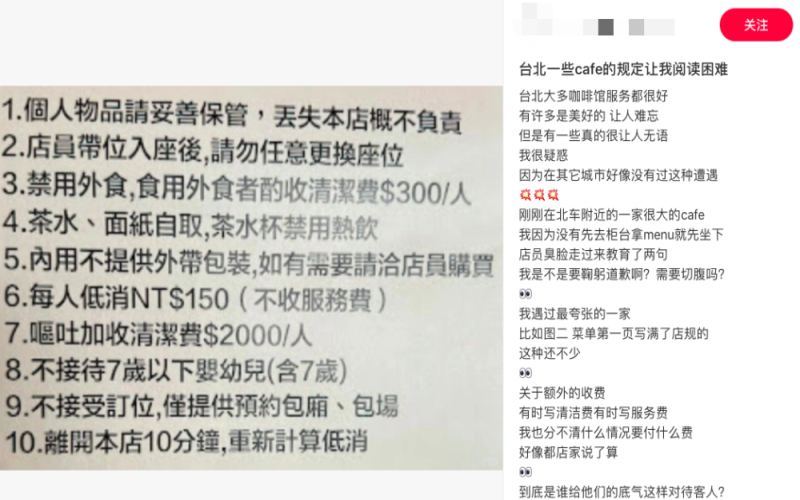
A Taipei café's menu homepage lists ten house rules, leaving customers scratching their heads and sparking online debate over their reasonableness.
Recently, a netizen shared that a coffee shop in Taipei printed a full ten store rules densely on the first page of its menu, sparking heated discussion. Among them, clauses like "vomiting incurs an additional cleaning fee of NT$2,000 per person" and "leaving for 10 minutes recalculates the minimum spend" left some customers complaining of a headache. However, many netizens expressed understanding, believing that such rules often stem from the shop's bitter experiences, and that stating the rules upfront benefits both sides. Independent cafes maintain their environment through store rules, while chain stores rarely have such regulations, yet uncivilized behavior such as occupying seats and making noise still occurs from time to time. This discussion reflects the two-way selection relationship between cafes and customers. [more…]

Tea Yan Yue Se Complained by Customer for Not Providing Hot Water, Netizens Hotly Debate the Boundaries of Additional Services at Tea Beverage Shops
Recently, a customer's complaint about Cha Yan Yue Se on social media sparked widespread discussion. The customer, because a pregnant friend was feeling unwell, went to a Cha Yan Yue Se store in a Changsha mall to ask for a cup of warm water, but was told that the store had no cups available and could not provide it. She then went upstairs to CHAGEE, where the staff immediately gave her a large cup of hot water. In this comparison, the poster's feelings about the service of the two brands were completely different. After the post was published, netizens' opinions split into two sides: some believed CHAGEE's service was more humane, while some local Hunan consumers defended Cha Yan Yue Se, pointing out that Cha Yan Yue Se stores keep free drinking water and customer cups available year-round for passersby to take on a self-service basis, and this time it may simply have been that the cups happened to run out. Cha Yan Yue Se employees also came forward to explain that the store has strict rules on the use of paper cups, and using takeaway cups to hold free hot water requires paying out of pocket. In this controversy, who is actually right and who is wrong? Has the additional service of tea beverage shops been taken for granted? Let us look at the full picture of the incident together. [more…]
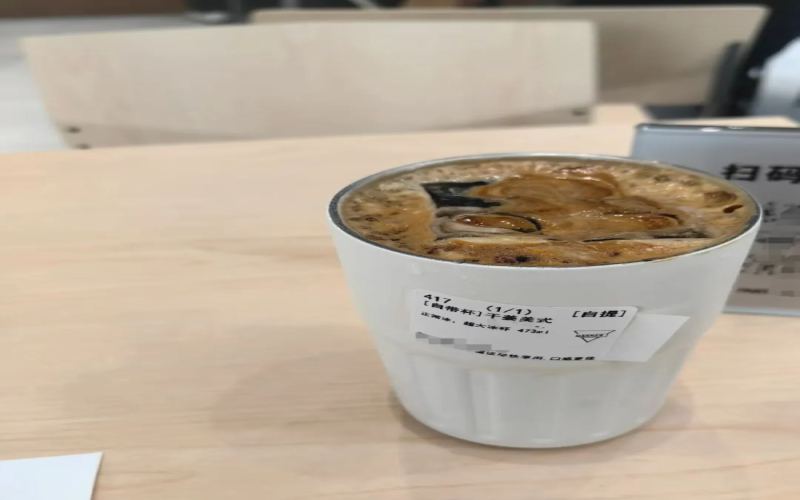
Customer Brings Own Orange Peel to Buy Manner Coffee, Refused Discount: Where Is the Boundary of Eco-Friendly Reusable Cups?
Manner Coffee's long-standing offer of a 5-yuan discount for bringing your own cup has led many consumers to develop the habit of carrying a cup for coffee on the go. However, when a customer showed up with a hollowed-out orange peel to buy an orange latte, they were denied the discount because the container did not meet the store's rules. Does this "all-natural" orange cup count as an eco-friendly bring-your-own cup? The staff refused to recognize it on the grounds that it lacked an environmental label and was kitchen waste, while the customer insisted that their creative container should be accepted. The incident sparked heated discussion online, with supporters arguing that orange peel is biodegradable and compostable, while opponents worried about food safety and the seriousness of merchant rules. This debate over a cup of coffee reflects the subtle tension between consumer creativity and merchant regulations in bring-your-own-cup culture. [more…]
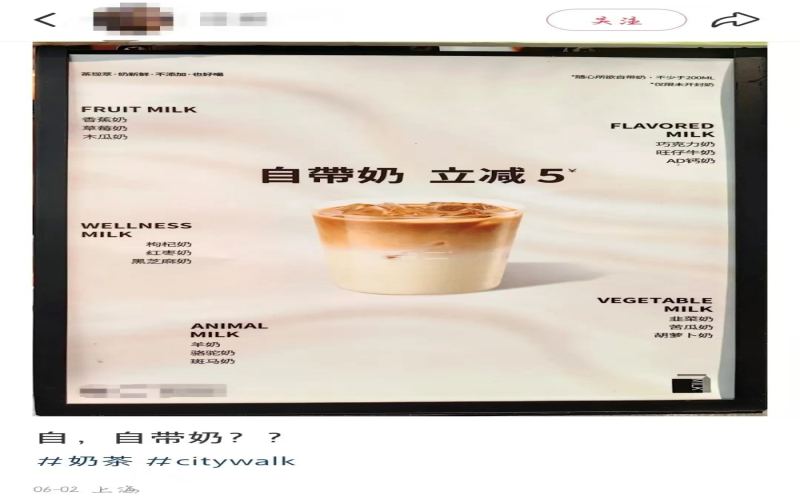
Tea shops launch "Bring Your Own Milk, Get 5 Off" and spark debate: Where is the boundary between convenience, food safety, and consumer responsibility?
Bringing your own cup to buy coffee is nothing new, but have you ever heard of "bringing your own milk"? A certain tea beverage brand launched a "bring your own milk, get 5 off" campaign, where customers bring their own dairy products and the store provides freshly brewed tea, sparking heated discussion among netizens. Supporters believe this is friendly to people with lactose intolerance and can also avoid additives like non-dairy creamer; opponents worry that food safety responsibilities are difficult to clarify. This article sorts out the views of all parties and compares the bring-your-own-cup rules of brands such as Starbucks and Manner, exploring how merchants should weigh the trade-off between offering discounts and risk control. [more…]
Are Sri Lankan Ceylon black tea prices high? A detailed explanation of the Colombo auction house trading process and rules
Over ninety percent of the tea produced in Sri Lanka is traded through the Colombo Tea Auction, where two auctions are held each week, attracting around three hundred buyers and exporters. Black tea is the only category that enters the auction, and its transaction prices are regarded as an important benchmark for the global tea market. The auction floor may appear calm, but in reality the pace is rapid: the auctioneer calls out bids alternately in English and Sinhala, buyers signal with a raised hand, and the fall of the gavel seals the deal. This article will guide you through the workings of the Colombo Tea Auction, the bidding increment rules, and the key factors that drive fluctuations in Ceylon black tea prices, while also mentioning Front Street Coffee's black tea products. [more…]
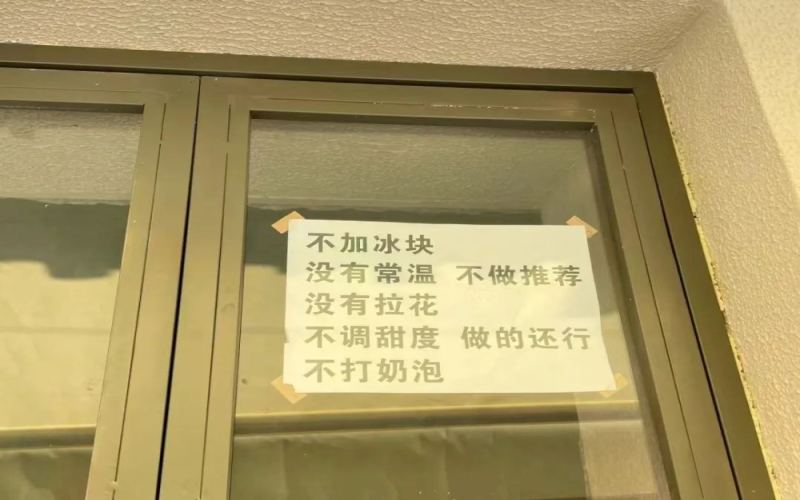
The Two-Way Selection in Coffee Shop Operations: How House Rules Become a Screening Mechanism Between Hosts and Guests
In today's world of independent coffee shops increasingly focused on individuality, many owners choose to write their shop rules clearly in prominent places, from selling only Americanos to not offering latte art. These rules are both a statement of the operator's commitment to their own positioning and an invisible threshold that filters customers. However, consumers have mixed views on this: some feel that opening a shop means accepting everyone, and too many restrictions will actually drive away potential customers; others believe that choice should be mutual, and clear rules allow both hosts and guests to find each other faster and avoid unnecessary friction. This discussion around shop rules reflects the subtle shifts in the host-guest relationship within coffee consumption scenarios, and prompts reflection on what kind of business approach can achieve a true two-way connection. [more…]
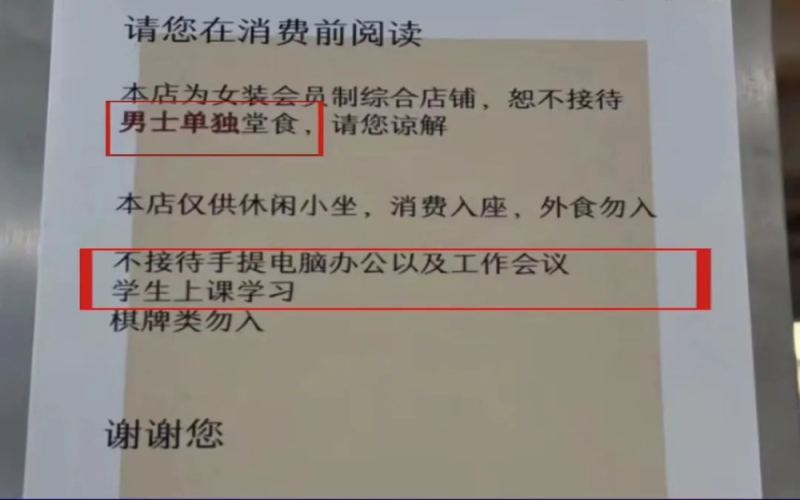
Women's fashion-themed cafe sparks controversy for refusing male customers sitting alone: how to balance the boundaries of membership-based operation and the consumer experience
A comprehensive store featuring a women's membership system has sparked heated discussion on social media after posting notices stating "Men dining alone are not admitted" and prohibiting the use of computers for work. Some customers made special trips only to be turned away for bringing laptops, while others who called 12315 were told the merchant had not violated any regulations. The store responded that limiting long stays was to avoid disturbing customers trying on clothes on the second floor, but some consumers felt it was inappropriate not to clearly inform them before charging. This debate over gender, consumption scenarios, and business autonomy reflects the real dilemmas composite-format coffee shops face regarding customer positioning and service boundaries. [more…]
A Complete Guide to Coffee Bean Processing Methods: The Boundaries of Traditional Craft, Fermentation Innovation, and Special Processing Techniques
The processing method of coffee beans directly affects the flavor in the cup. From natural, washed, to honey processing, each traditional craft has its own unique expression. However, in the past decade, many processing methods claiming to be "special" have emerged in the coffee world. How exactly are they defined in relation to traditional methods? This article sorts out the characteristics and differences of common processing methods, explores the role of fermentation in tradition and innovation, and introduces the Red Plum processing method from Finca Paraiso in Colombia. Front Street Coffee is always happy to share coffee knowledge, hoping to let more people understand the logic behind processing methods and drink the best coffee at the lowest price. [more…]
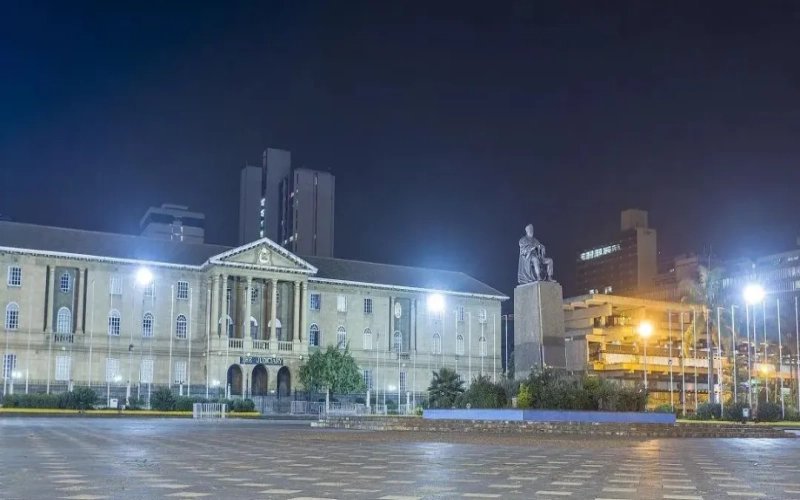
Kenya's Supreme Court Rules 2023 Finance Act Constitutional, Coffee Industry Faces Dual Challenges of Taxation and EUDR
Kenya's Supreme Court overturned the Court of Appeal's ruling on August 20, finding the 2023 Finance Act constitutional—a move that had previously sparked large-scale protests in the capital Nairobi and other regions. The act doubles the fuel value-added tax, introduces a housing levy, and raises the top personal income tax rate. The opposition and civil society groups expressed deep disappointment, fearing a further rise in the cost of living. For the coffee industry, the tax increases have pushed up production and transportation costs, squeezing profit margins; more seriously, the EU Deforestation Regulation (EUDR), set to take effect in January 2025, could deal a severe blow to Kenya's coffee exports. Currently, only about 30% to 40% of coffee is certified, while smallholder farmers are generally poorly informed about compliance requirements. Front Street Coffee will continue to monitor developments in the producing regions. [more…]

Fenbid joins forces with TPLUS Teahouse to launch a pop-up milk tea, netizens question: is there actually ibuprofen in the cup?
The painkiller brand Fenbid teamed up with TPLUS Tea House to open a milk tea pop-up store, launching the "Don't Endure the Night, Sweet Tea," but the cross-industry move by a pharmaceutical brand into food sparked heated debate among netizens. Some worried it could mislead consumers, while others questioned whether it was false advertising. Although the officials clarified that the drinks contain no medicinal ingredients, the controversy did not subside. Is this collaboration a warm-hearted marketing move or a brand overstepping its bounds? And where exactly lies the boundary for cross-industry partnerships? [more…]

Starbucks Responds to Controversy Over Asking Non-Customers to Leave: Is the "Purchase Required to Sit" Rule Reasonable? Heated Debate Ensues
Recently, videos of altercations between Starbucks staff and non-paying customers have surfaced one after another on social media, drawing widespread attention. On one side, an elderly person argued with staff after being asked to leave for not making a purchase; on the other, a store in Xi'an was accused of frequently shooing away passersby who hadn't bought anything. Starbucks customer service responded that stores do indeed have a "purchase to be seated" rule, but they won't force customers to buy. Behind this new rule lies the real dilemma of store environments being affected by people who occupy seats without spending, and it also reflects the discussion about the boundary between commercial premises and public space. As a coffee enthusiast, what do you think of Starbucks' approach? [more…]
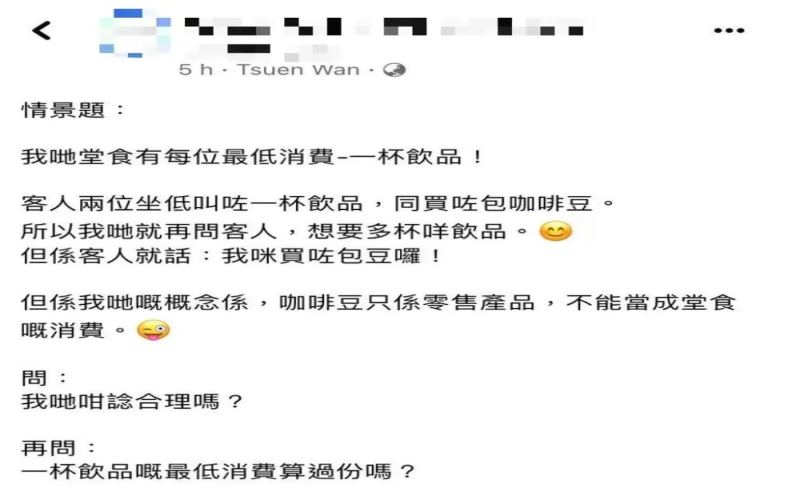
Coffee shop minimum charge of one drink sparks debate: customers buy beans and order drinks—should the shop make a fuss?
A coffee shop requires every dine-in customer to order at least one drink. A customer who bought coffee beans and ordered a drink was then asked to order another, prompting the shop to post an inquiry seeking opinions, which unexpectedly sparked a polarizing debate online. Supporters believe that once a business sets rules, they should be followed, while opponents criticize the shop for being too rigid and lacking human warmth, even calling it a public relations disaster. The shop eventually deleted the post and apologized, but the discussion about the boundaries of minimum consumption rules and the flexibility of their enforcement continues. [more…]
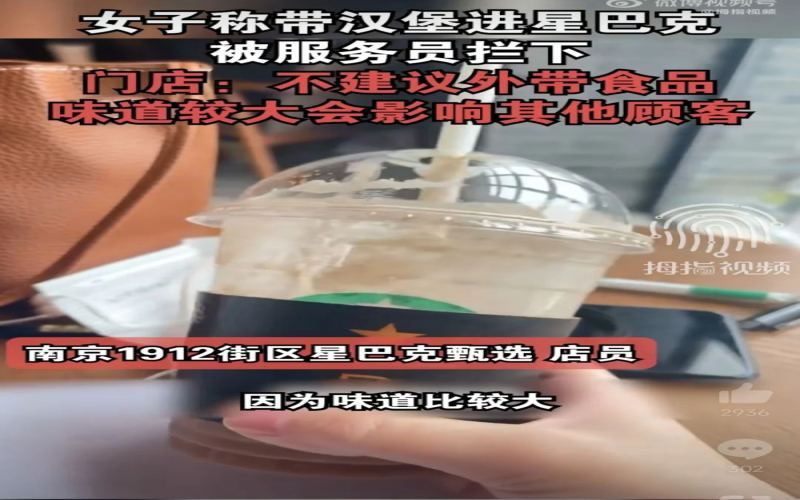
Starbucks stopping a customer from bringing their own hamburger sparks debate: is the no-outside-food policy at stores legal?
Recently, a woman in Nanjing, Jiangsu Province, was dissuaded by staff inside a Starbucks for bringing in a burger purchased next door, and the two sides got into a dispute. The incident quickly went viral online. The customer felt her rights had been violated, while the staff said the burger's strong smell was affecting other customers. Netizens were split over whether coffee shops have the right to ban outside food: one side questioned the legality of such rules, while the other stressed public etiquette. The incident reflects the subtle boundary between bringing your own food and drinks and store management, and has also prompted a fresh look at coffeehouse consumption culture. [more…]

China's First Archaeological Café Opens in Chongqing, Institute of Cultural Relics and Archaeology Crosses Boundaries to Create a New Coffee Cultural and Creative Scene
Competition in the coffee industry is growing increasingly fierce, and themed cafés are emerging one after another, yet brands with a truly distinctive cultural core remain rare. Recently, the country's first archaeology-themed café officially opened in Yuzhong District, Chongqing. Jointly created by the Chongqing Cultural Relics and Archaeology Research Institute and a Chongqing cultural and creative industry council member unit, it blends professional archaeological expertise with the coffee-drinking experience. The shop not only offers archaeology-themed drinks, but also features distinctive settings such as a stratigraphy bar counter, a wall of archaeological tools, and merchandise inspired by replicated cultural relics, with plans to hold themed salons on a regular basis. This cross-disciplinary experiment brings the niche discipline of archaeology into the public eye in a way young people enjoy, and also opens up new imaginative possibilities for the "coffee + cultural creativity" model. [more…]
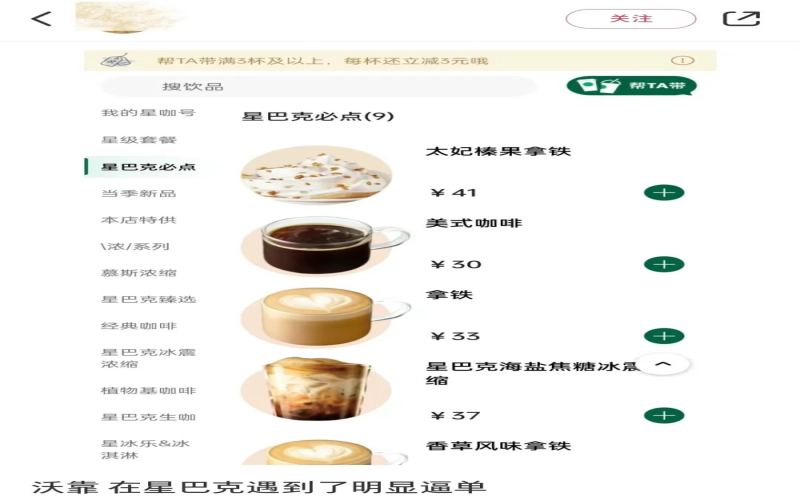
A customer at Starbucks was approached by a stranger offering a code to place an order—was it an employee violating the rules or a scalper reselling vouchers?
Recently, a netizen posted on social media about an encounter at a Starbucks store with a middle-aged woman not wearing an apron who held up a QR code and demanded an order, even pressuring them with the remark, "Air conditioning isn't free, you know." The incident sparked heated discussion: Starbucks has long been known for its "third place" concept, allowing people to sit without making a purchase, so why did forced sales occur? Was the person involved a store partner offering extended services, or a scalper reselling coupons? Netizens engaged in fierce debate over whether Starbucks should unconditionally welcome all guests, how scalpers profit from the price difference, and whether staff collude with them. This article reconstructs the incident and the various viewpoints, exploring the boundaries between space management and consumption rules in coffee shops. [more…]

Coffee shop photo ban sparks controversy: consumers expect clear signage at the entrance, while businesses emphasize mutual choice and maintaining order
In recent years, the social dimension of cafés has grown ever stronger, and "Instagrammability" has even become an important reference for many people when choosing a coffee shop. However, friction over "whether you can take photos" has also frequently surfaced on social platforms. Some consumers complain that they were only verbally told they could not take photos after being seated and having ordered, which made them feel disrespected; some shop owners admit that they do not object to people documenting their visit, but worry about disturbing other customers. Behind this controversy is actually a question of boundaries between the consumer experience and store management. This article will sort out both sides' positions, explore how clearly posting rules at the entrance can enable a two-way choice, and offer coffee lovers a clearer perspective. [more…]
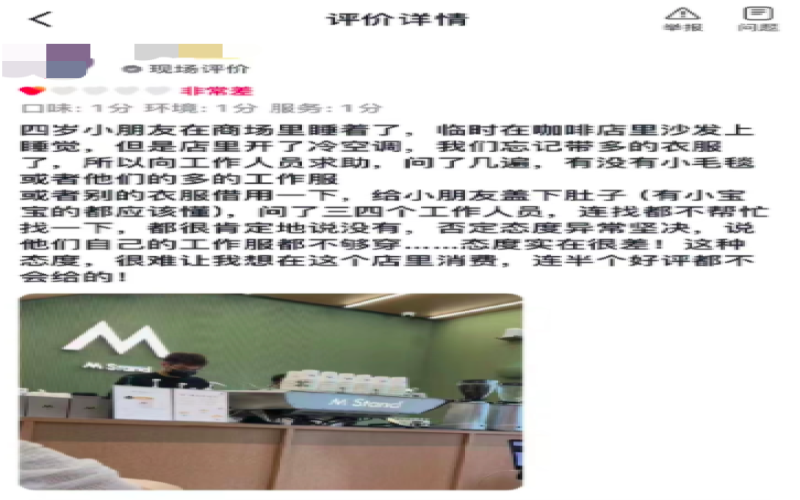
A customer left a bad review because they couldn't borrow a blanket; why are operators increasingly choosing to ban children from their cafés?
A mother took her child to a shopping mall. After the child fell asleep, she went to a coffee shop to rest on the sofa. Because the temperature inside the shop was low, she asked the staff to borrow a blanket or a work uniform but was refused. She later left a negative review, which sparked heated discussion among netizens. Some people understood the difficulties parents face when out with their children, while others believed that borrowing a blanket went beyond the scope of a coffee shop's service. At the same time, many coffee shop owners complained about the troubles brought by customers with children, and more and more stores have made banning children a rule. This discussion about service boundaries and business realities reflects the dilemma coffee shops face between customer experience and daily operations. [more…]
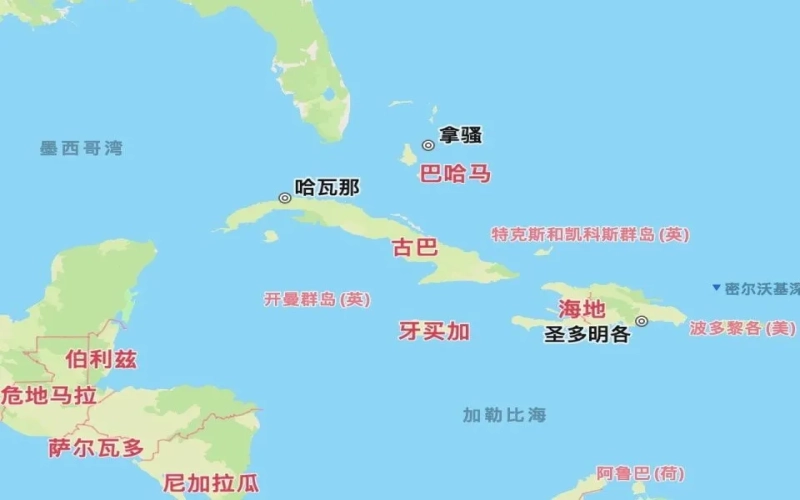
The True Definition of Jamaican Blue Mountain Coffee and a Full Analysis of the Famous Estates in Its Producing Region
Blue Mountain coffee is hailed as a gem of the coffee world, but what exactly qualifies a coffee to bear the name "Jamaica Blue Mountain"? Starting from Jamaica's geographical environment and the unique terroir of the Blue Mountain range, this article traces the complete story of Blue Mountain coffee—from its introduction in the 18th century and its rise and fall during the colonial period to the establishment of the modern legally defined appellation system. It explains in detail the strict definitions set by the Coffee Industry Regulation Act regarding production area boundaries, altitude, and varieties, and introduces the barrel packaging and grading standards. At the same time, it acquaints you with two representative estates, Clifton Mount Estate and Stony Hill Estate, as well as the flavor characteristics of Blue Mountain No. 1 produced by Front Street Coffee. [more…]
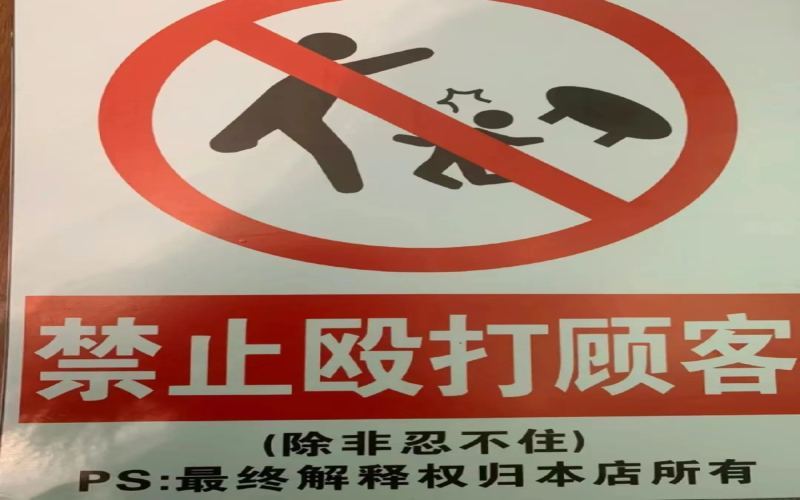
Why Are Coffee Shop Rules Increasing? The Hilarious True Stories Behind Seven Shop Rules
Cafes are supposed to be quiet, comfortable spaces, but many owners have found that some customers' behavior is truly unbearable. So one seemingly "unreasonable" rule after another has emerged—from banning diaper changes to prohibiting stinky tofu, each rule hides a real story. This article rounds up the bizarre experiences of cafe owners in various places, and how they use humor and gentleness to set rules that both preserve the in-store environment and retain a human touch. Amid fierce competition, how can independent cafes balance personal expression with customer relationships? This may be a question every industry professional needs to think about. [more…]